Doug Lemov's field notes

Reflections on teaching, literacy, coaching, and practice.

05.14.26 Explicit & Implicit Vocabulary: Mastering the Two-Part Approach
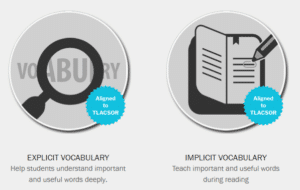
TLAC is excited to share our newest Plug and Plays that were authored, along with this blog post, by our colleague Alonte Johnson-James. The biggest barrier to students’ comprehension is often word knowledge or vocabulary. The biggest barrier to teachers’ abilities to support students is often understanding the best approach(es) to use in helping students to…

08.08.20 A Rendezvous with the Importance of Pronunciation

My daughters just came downstairs giggling. My older daughter gently teasing my littlest for asking her in a game what the ren-dezz-vuss (i.e. rendezvous) point would be. “No silly,” said my elder. “Ron-day-voo.” But as I told my littlest, she should be proud. The mispronunciation meant that she’d learned the word through reading–she’d never heard it…


10.12.18 Examples of Active Vocabulary Practice from our New Curriculum

  We’re writing a reading curriculum (hooray!) and that means daily review of lesson plans for me, which is great fun and lots of learning. Thought I’d share some examples of how we do it from some recent lessons. Our vocabulary goal is to use lots of active practice to build word knowledge. Start with a…


04.25.17 Why Reading Aloud to Students is So Critical to Vocabulary

Last night, after reading aloud to my daughter and tucking her in, I was mopping up a bit of work from the day and came across this observation by Isabel Beck: “The source of later vocabulary learning shifts [as students get older] to written texts–what children read [as opposed to what they hear].  The problem is…